Piercing Aftercare
Your new piercing is an open healing wound — how you care for it in the first weeks decides how cleanly it heals.
Your new piercing is an open healing wound — how you care for it in the first weeks decides how cleanly it heals.
Your new piercing is an open healing wound. Proper aftercare is essential to reduce the risk of irritation, infection, delayed healing, migration, rejection, scarring, and other complications.
These instructions are provided for client education and aftercare purposes. Following them carefully gives your piercing the best chance to heal cleanly.
Ink My Heart Tattoos and its piercers do not provide medical diagnosis or medical treatment. We educate you on care — we are not a substitute for a doctor.
If you believe you may have an infection or a medical complication, contact a licensed medical professional. Do not wait for it to worsen.
If you ever have questions during your healing process, no matter how small, don't hesitate to reach out. We're here for you every step of the way.
Follow these ten steps carefully to clean, protect, and heal your new piercing.
Have questions about your healing process?
Do not touch your piercing with unwashed hands.
Do not twist, rotate, pick, scratch, or play with the jewelry.
No alcohol, peroxide, iodine, ointments, creams, makeup, oils, harsh soaps, or antibacterials unless a doctor directs it.
No pools, hot tubs, lakes, oceans, or bath water until healed or cleared by your piercer. Showers are fine.
Do not sleep directly on the piercing.
Do not change jewelry too early, before the piercing is healed.
Do not let anyone else touch your piercing.
Avoid dirty water, bodily fluids, saliva, or unclean surfaces on the piercing.
Do not ignore signs of infection or complications.
For oral piercings, avoid spicy and acidic foods, very hot drinks, alcohol, smoking, vaping, and oral contact early on.

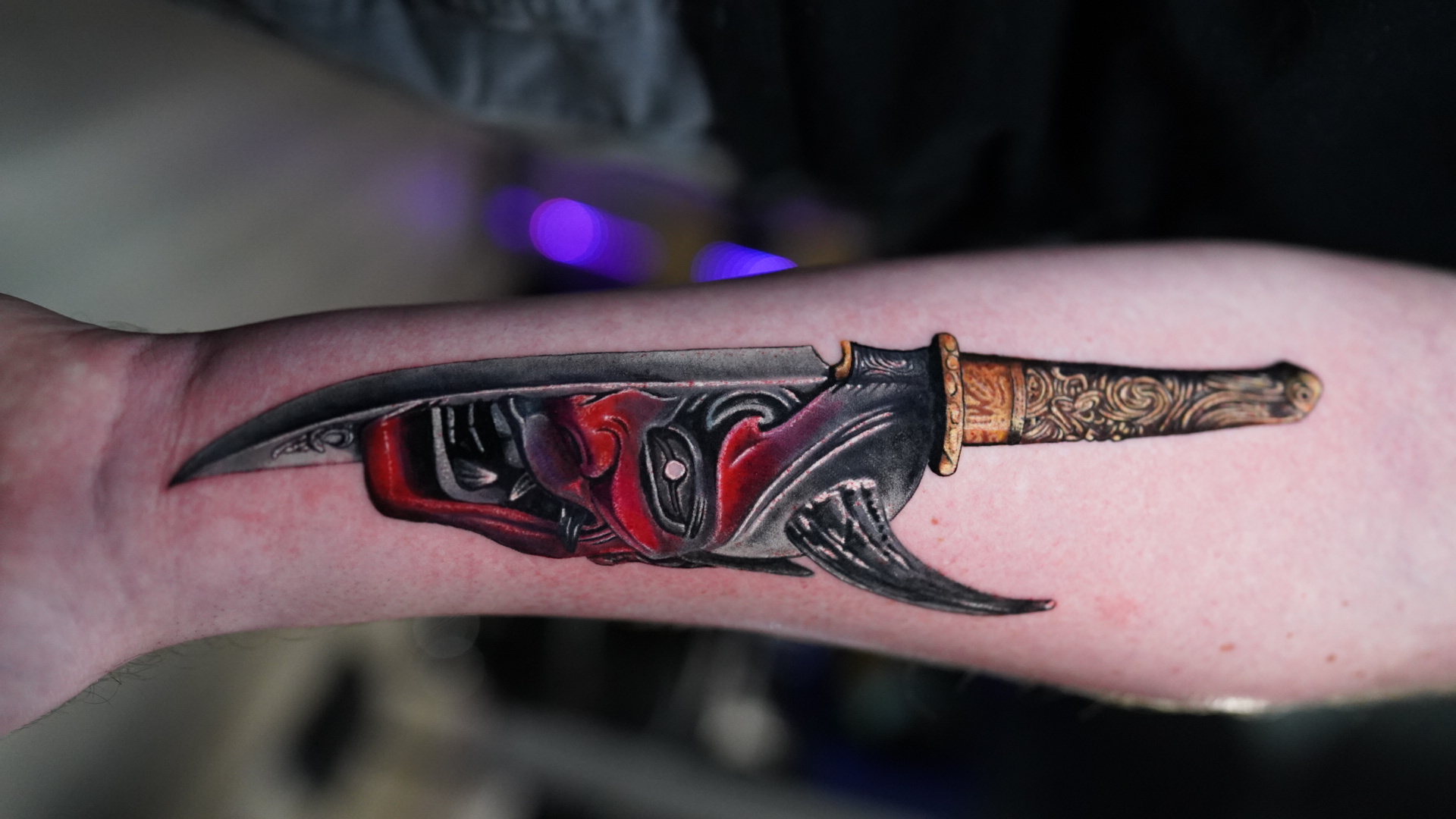

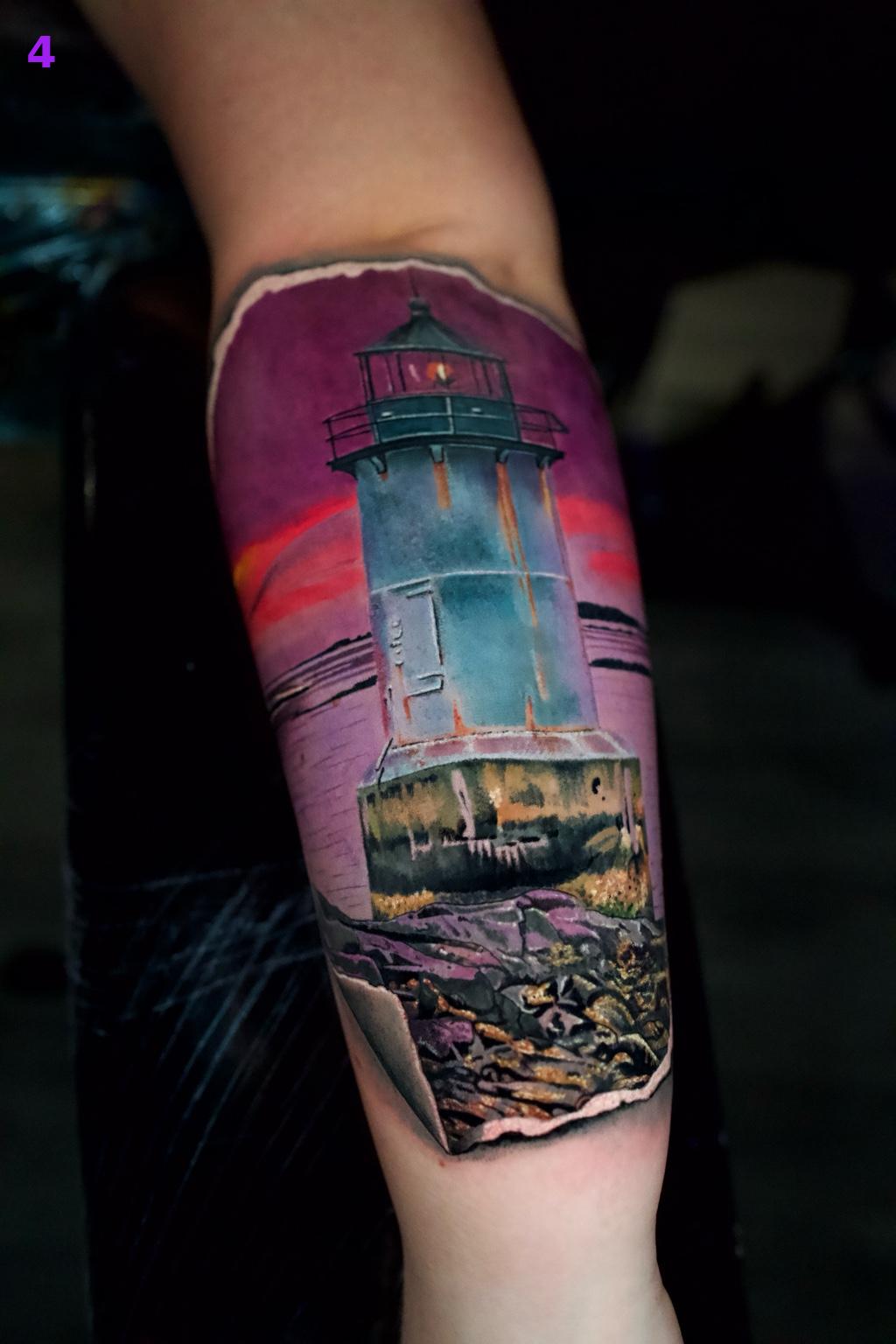
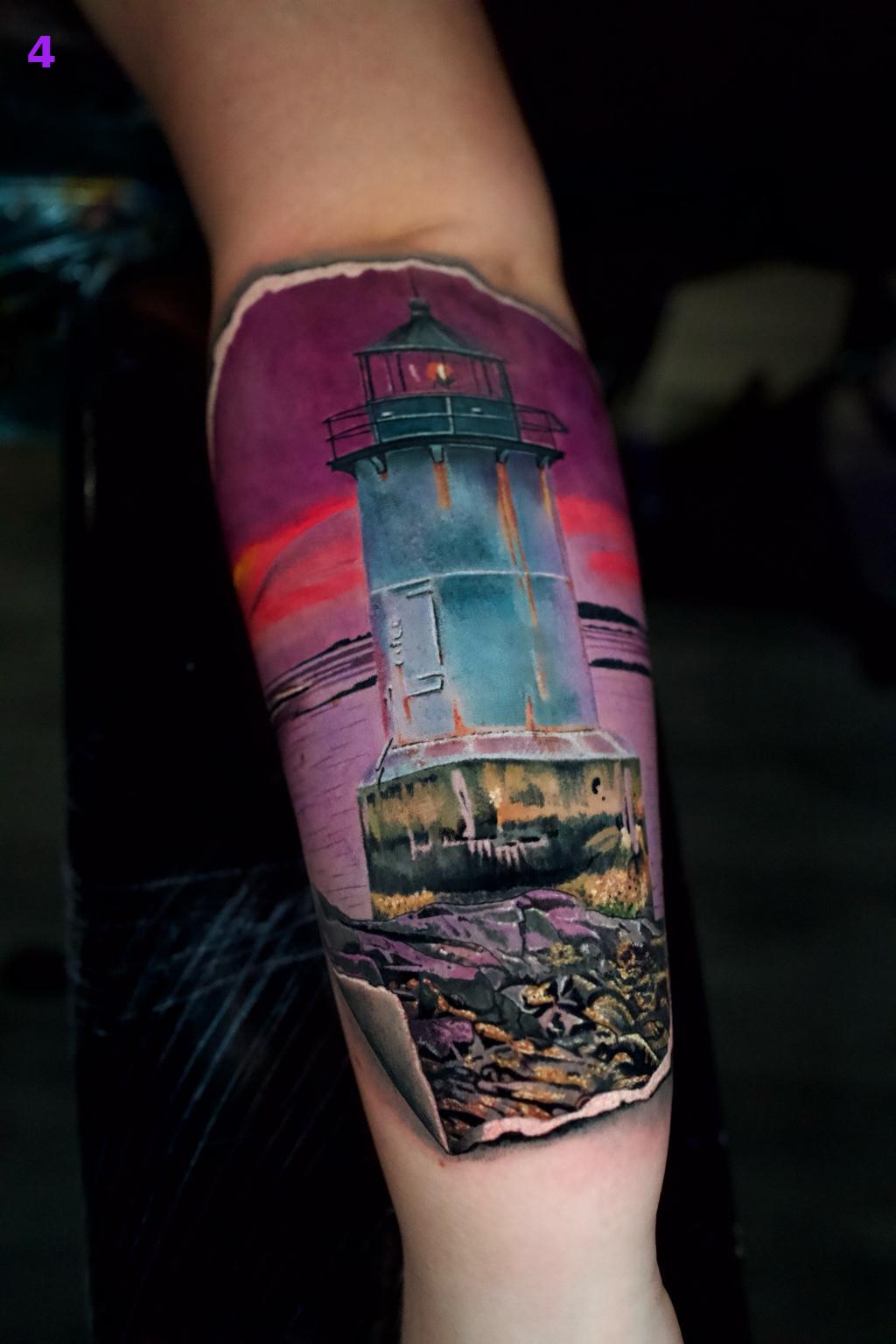


Body piercing inserts appropriate body jewelry into the piercing site using sterile tools.
Anything that may affect healing should be shared with your piercer beforehand.
Healing time varies with the piercing location, your anatomy, health, jewelry, and aftercare.
Follow all instructions carefully and contact your piercer if you have questions.
Minor Client Notice
For clients under 18 years old, Florida requires written notarized consent from the minor's parent or legal guardian. A body piercing establishment may not perform body piercing on a minor under 16 unless the minor is accompanied by a parent or legal guardian.
Warning Signs — Contact a Licensed Medical Professional
Use sterile saline wound wash only, unless your piercer or a licensed medical professional tells you otherwise. Avoid alcohol, hydrogen peroxide, iodine, ointments, and harsh or antibacterial soaps — they irritate the piercing rather than help it.
Clean the piercing 1 to 2 times daily, or as your piercer instructs. Do not over-clean — over-cleaning can cause irritation and slow down healing just as much as neglecting it.
Do not remove or change the jewelry until the piercing is fully healed or your piercer confirms it is safe. Changing too early can irritate the piercing, cause it to close, or set healing back. Some piercings also need downsizing after swelling decreases — your piercer will advise.
Do not swim or soak in pools, hot tubs, lakes, oceans, or bath water until the piercing is healed or cleared by your piercer. Showers are fine. Standing or shared water carries bacteria that can lead to infection.
Some crusting, tenderness, mild swelling, and clear or pale-yellow fluid can be normal during healing. Thick yellow or green discharge, severe pain, heat, or worsening symptoms are not — contact a licensed medical professional if those appear.
Tu nuevo piercing es una herida abierta en proceso de sanación. El cuidado correcto es esencial para reducir el riesgo de irritación, infección, retraso en la cicatrización, migración, rechazo, cicatrices y otras complicaciones.
Ink My Heart Tattoos y sus piercers no proveen diagnóstico médico ni tratamiento médico. Si crees que puedes tener una infección, reacción alérgica o complicación médica, debes contactar a un profesional médico autorizado.
Sigue estos diez pasos cuidadosamente para limpiar, proteger y sanar tu nuevo piercing.
No toques tu piercing con las manos sucias.
No gires, muevas, jales, rasques ni juegues con la joyería.
Nada de alcohol, peróxido, yodo, ungüentos, cremas, maquillaje, aceites, jabones fuertes ni antibacteriales sin indicación médica.
Nada de piscinas, jacuzzis, lagos, océanos o bañeras hasta que esté cicatrizado o autorizado. Las duchas están permitidas.
No duermas directamente sobre el piercing.
No cambies la joyería demasiado pronto.
No permitas que otras personas toquen tu piercing.
No expongas el piercing a agua sucia, fluidos corporales, saliva ni superficies contaminadas.
No ignores señales de infección o complicaciones.
Para piercings orales, evita comidas picantes y ácidas, bebidas muy calientes, alcohol, fumar, vapear y contacto oral al inicio.
Un body piercing inserta joyería apropiada en el área usando técnica aséptica.
Comparte con tu piercer cualquier condición que pueda afectar la cicatrización.
El tiempo de cicatrización varía según el área, tu anatomía, salud, joyería y cuidado posterior.
Sigue todas las instrucciones cuidadosamente y contacta a tu piercer si tienes preguntas.
Aviso para Menores de Edad
Para clientes menores de 18 años, Florida requiere el consentimiento escrito y notarizado del padre, madre o guardián legal para realizar un body piercing. Un establecimiento no puede perforar a un menor de 16 años a menos que el menor esté acompañado por su padre, madre o guardián legal.
Señales de Advertencia — Contacta a un Profesional Médico
Usa solamente solución salina estéril para heridas, a menos que tu piercer o un profesional médico indique otra cosa. Evita alcohol, peróxido de hidrógeno, yodo, ungüentos y jabones fuertes o antibacteriales: irritan el piercing en lugar de ayudarlo.
Limpia el piercing 1 a 2 veces al día, o según las instrucciones de tu piercer. No limpies en exceso: el exceso de limpieza puede causar irritación y retrasar la cicatrización tanto como descuidarlo.
No retires ni cambies la joyería hasta que el piercing esté completamente cicatrizado o tu piercer confirme que es seguro. Cambiarla demasiado pronto puede irritarlo o cerrarlo. Algunos piercings también requieren joyería más corta tras bajar la inflamación; tu piercer te indicará.
No nades ni sumerjas el piercing en piscinas, jacuzzis, lagos, océanos o bañeras hasta que esté cicatrizado o autorizado por tu piercer. Las duchas están permitidas. El agua estancada o compartida contiene bacterias que pueden causar infección.
Un poco de costra, sensibilidad, inflamación leve y líquido claro o amarillo pálido puede ser normal. La secreción espesa amarilla o verde, el dolor severo, el calor o los síntomas que empeoran no lo son: contacta a un profesional médico autorizado si aparecen.